
![[NEEDS INPUT: alt text]](https://cdn.sanity.io/images/iexz7ctt/production/f94113f090385a4c9b42f451ba79d856842eda09-9444x6251.tif)
Overview
Michigan’s first-of-its-kind innovation hub transforms a historic Detroit landmark into a collaborative home for mobility, technology, and entrepreneurship.
![[NEEDS INPUT: alt text]](https://cdn.sanity.io/images/iexz7ctt/production/e107d1570dcad6051beac5ca332e1ff81d69de20-5233x3919.tif)
![[NEEDS INPUT: alt text]](https://cdn.sanity.io/images/iexz7ctt/production/da7034f7d353cb7297acfd40c54b1e1cb230fa2e-11648x8736.jpg?w=3840&q=75&auto=format&fit=max)
![[NEEDS INPUT: alt text]](https://cdn.sanity.io/images/iexz7ctt/production/b375011917c171c688f0c9c581691afbed40abac-9471x6314.tif)
![[NEEDS INPUT: alt text]](https://cdn.sanity.io/images/iexz7ctt/production/d0f7cd352628b819d1cb8520915eb3da2275fd57-7630x5087.tif)
![[NEEDS INPUT: alt text]](https://cdn.sanity.io/images/iexz7ctt/production/537c861b00fd12169a94a7148e2ad82c879b80b4-9504x6336.tif)
![[NEEDS INPUT: alt text]](https://cdn.sanity.io/images/iexz7ctt/production/bc08e6f2aabca512ab4374f80746fe2590f6f906-9395x6264.tif)
![[NEEDS INPUT: alt text]](https://cdn.sanity.io/images/iexz7ctt/production/bc0ee8d84ca4cbb86419649f3cdf50be3a783092-9504x6336.tif)
![[NEEDS INPUT: alt text]](https://cdn.sanity.io/images/iexz7ctt/production/d1431165d2ade70ad725e3c2f47df59980f365cd-6288x9432.tif)
![[NEEDS INPUT: alt text]](https://cdn.sanity.io/images/iexz7ctt/production/ae0122e8c9df9241315f4bc86330162dbd1366ef-6258x9429.tif)
Opportunity
Ford envisioned Michigan Central as an innovation district, with the Book Depository serving as an early anchor and catalyst for exchanging ideas, connecting people, and advancing Detroit’s growing mobility and technology ecosystem.
At Michigan Central, Ford Motor Company envisioned an open innovation district capable of attracting startups, engineers, designers, and emerging technology companies to Detroit. The Book Depository offered a powerful anchor: an iconic landmark with deep ties to the city. But decades of vacancy had left it ill-suited to contemporary work. Repositioning the building meant balancing two ambitions — retaining the industrial character that made it distinctive while creating flexible, light-filled environments where people across disciplines could prototype, collaborate, and exchange ideas.
More about this topic

![[NEEDS INPUT: alt text]](https://cdn.sanity.io/images/iexz7ctt/production/ed162faf49a5a73d1120863e8bcb2cf9cd274ce2-5272x3948.tif)
Why This Matters
01
Revitalizing a Landmark
Adaptive reuse gives the long-vacant building a new purpose while retaining the concrete, brick, and industrial character that connects it to Detroit’s architectural history.
02
Building an Innovation Ecosystem
Purpose-built labs, flexible workspaces, and shared gathering areas give startups and industry partners the infrastructure to test ideas, build companies, and work across disciplines.
03
Connecting to Corktown
A more open, activated ground floor helps the building engage its surroundings, creating stronger connections among Newlab members, Michigan Central, and the broader Corktown community.
We set out to create a place that would accelerate Detroit and our region’s role in solving the most pressing mobility challenges and change people’s lives for the better. With the opening of… the first building completed in Michigan Central’s campus, that vision is becoming a reality. We see an opportunity to bring new companies and jobs to Michigan, while also attracting the best and the brightest talent for our industry.
Solution
The design turns connection into infrastructure, creating porosity and circulation through the historic structure while creating flexible spaces for work, prototyping, and exchange.
The design pairs major architectural interventions with a flexible framework capable of evolving alongside changing community, industry, and technology demands. A new atrium and connecting stair bring daylight, visibility, and movement through the historic structure, while adaptable workspaces, labs, and shared environments accommodate emerging uses across mobility and advanced technology. Beyond meeting baseline requirements, the design prioritizes occupant comfort, choice, accessibility, and well-being, creating a resilient landscape that can respond as organizations, workstyles, and technologies continue to change.
![[NEEDS INPUT: alt text]](https://cdn.sanity.io/images/iexz7ctt/production/348a0fb5fbf1dfd726821d03cecce6aa2bab8b06-6336x9504.tif)
![[NEEDS INPUT: alt text]](https://cdn.sanity.io/images/iexz7ctt/production/88896aa534c8711436a5667fe917c68dcf80dcef-9254x6169.tif)
![[NEEDS INPUT: alt text]](https://cdn.sanity.io/images/iexz7ctt/production/e12d67e6728dc4ff318393848da63277864a6e5e-6273x9410.tif)
![[NEEDS INPUT: alt text]](https://cdn.sanity.io/images/iexz7ctt/production/1baa48d80b3f35a2f9d48f31ca2f25652b5a0b54-9504x6336.tif)
![[NEEDS INPUT: alt text]](https://cdn.sanity.io/images/iexz7ctt/production/04efeddd71bad31c3f29634116cfbbeacf385789-9504x6336.tif)
Related Content
270K
Building Area · sqft
1,936
Original Construction
30+ years
Vacancy Duration
From brief to build: transforming a 1936 industrial landmark through daylight, connectivity, adaptive reuse, and a new relationship with the surrounding district.
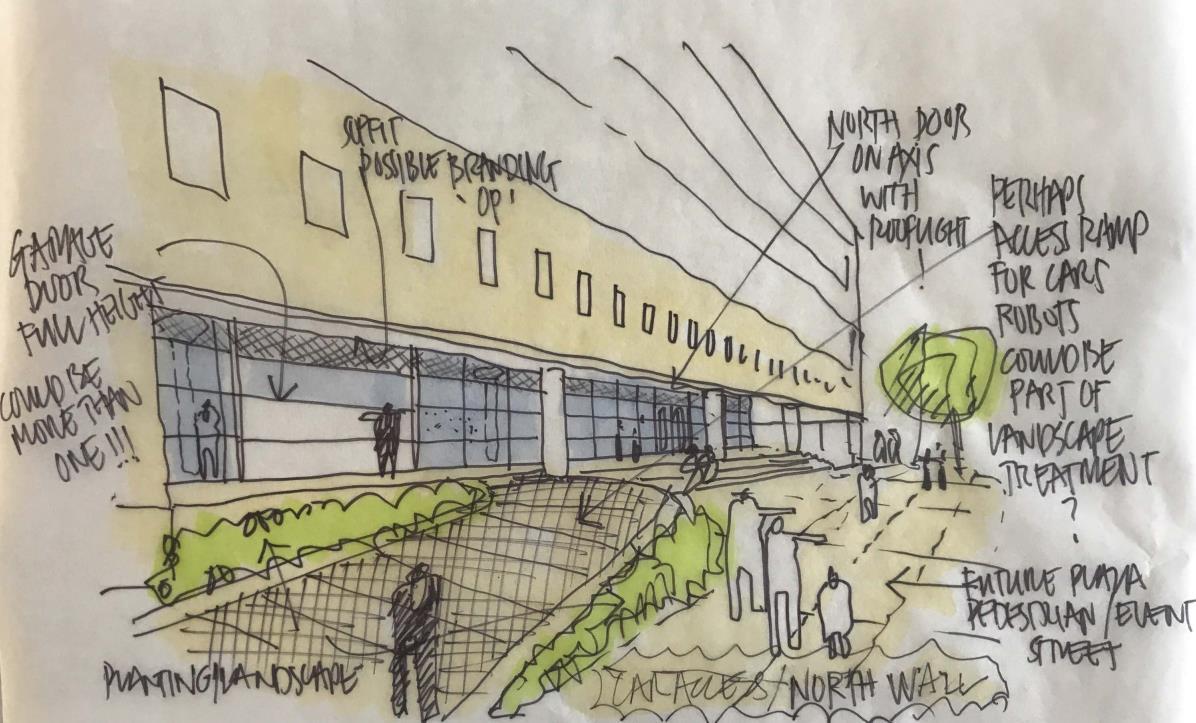
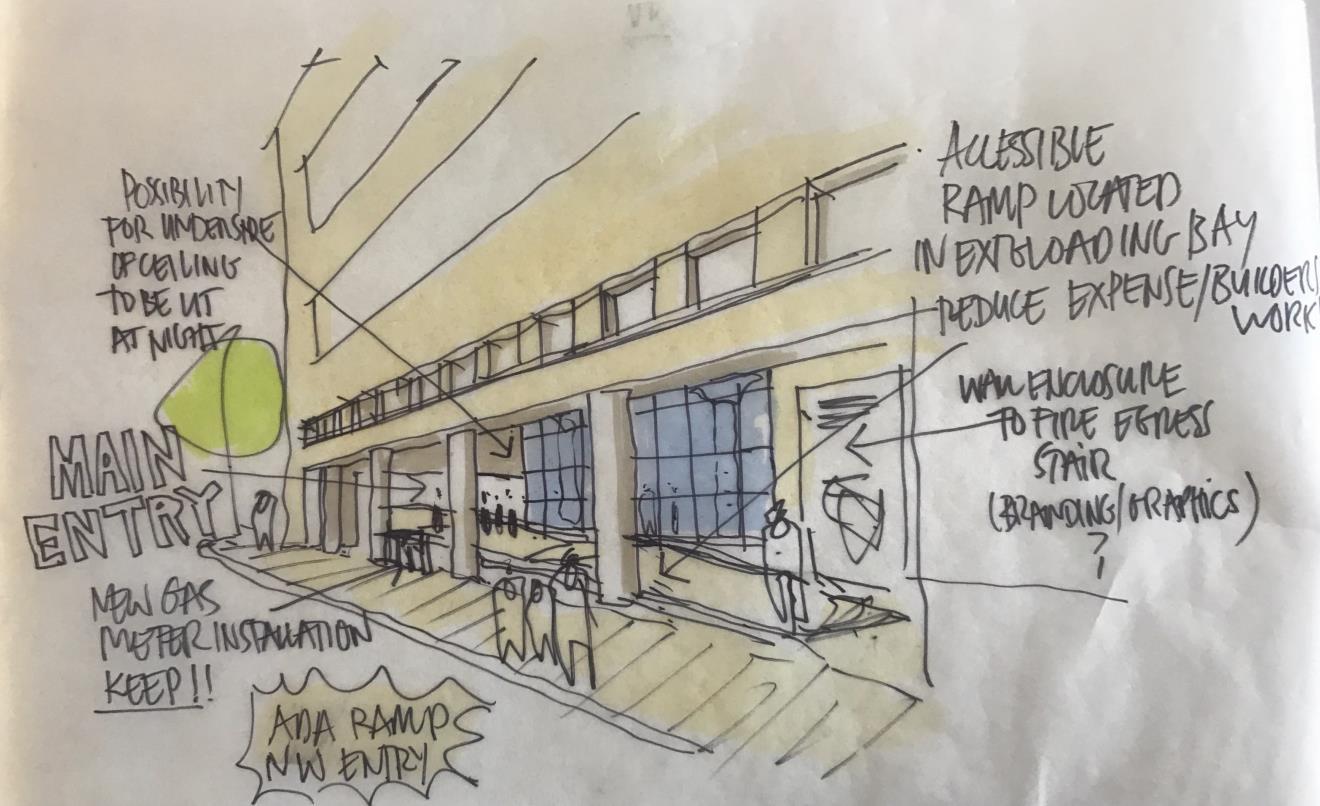
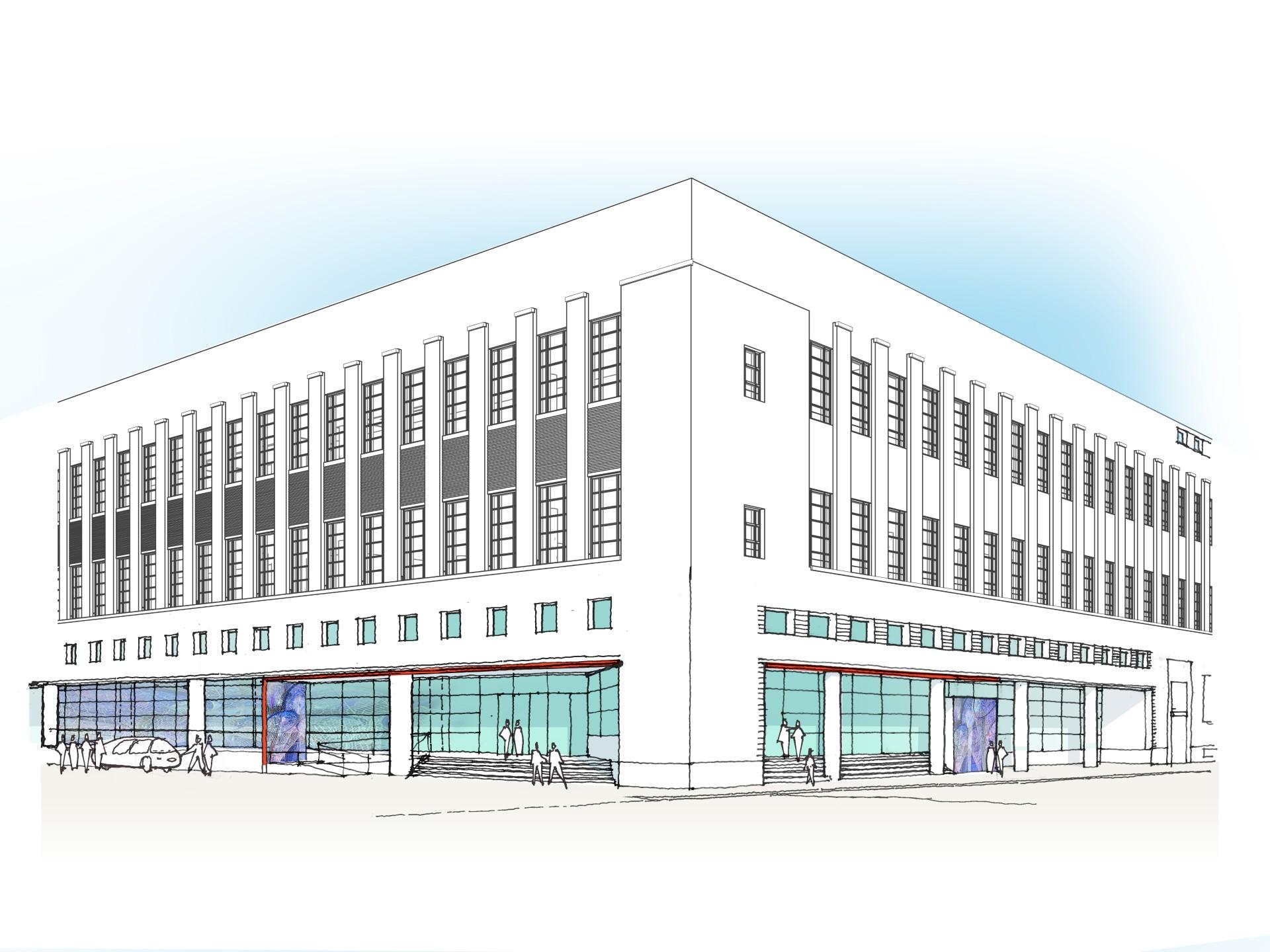
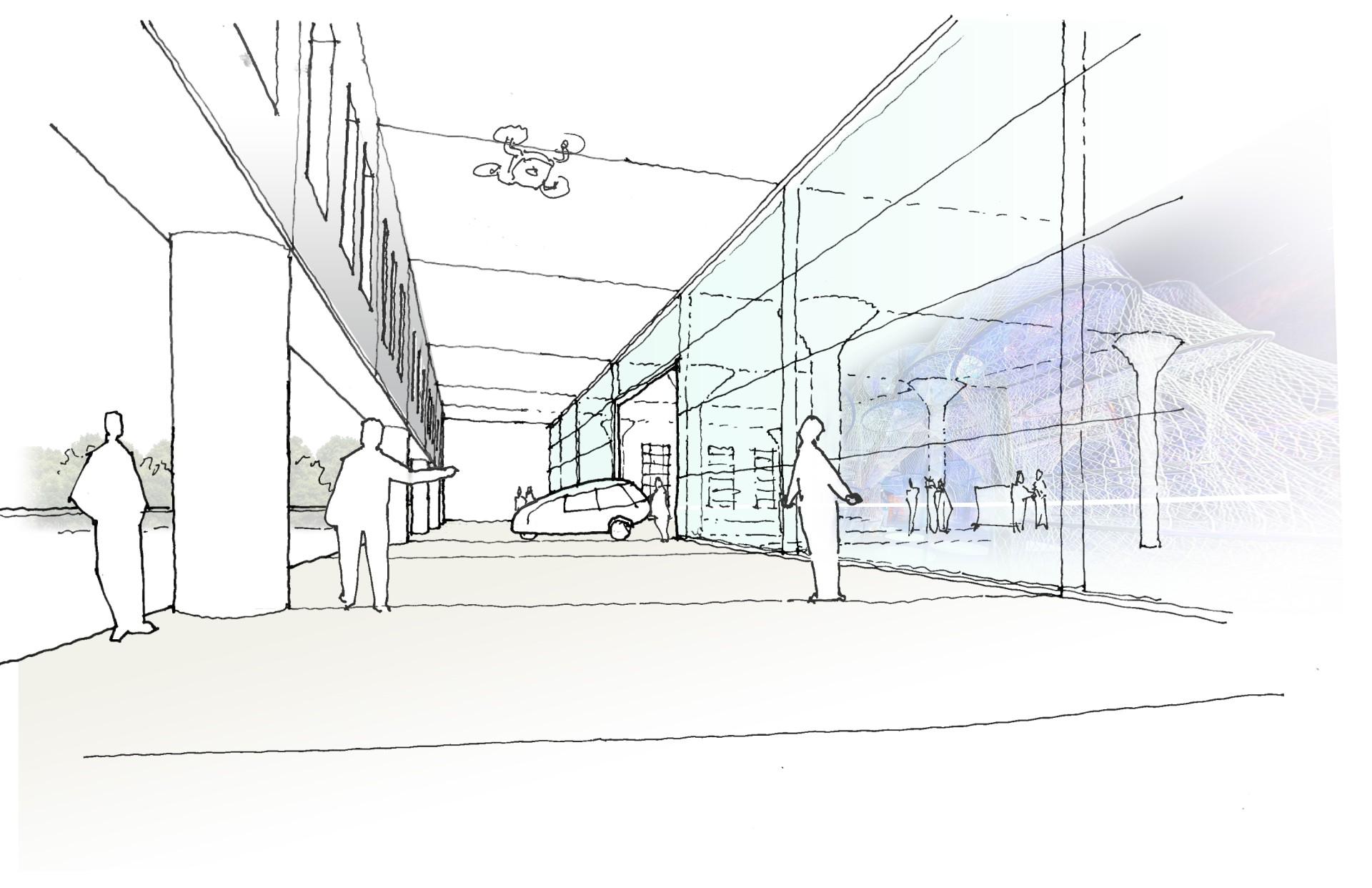
The design process centered on four priorities: proximity, daylight, activation, and preserving the building’s industrial character. A new atrium and central stair create visual and physical connections across floors while bringing daylight deeper into the building. Former loading dock openings become transparent, community-facing entrances that connect activity inside to the surrounding district. Throughout, historic concrete and brick remain exposed alongside contemporary steel and glass, establishing a deliberate contrast between old and new while allowing the building to accommodate evolving uses.
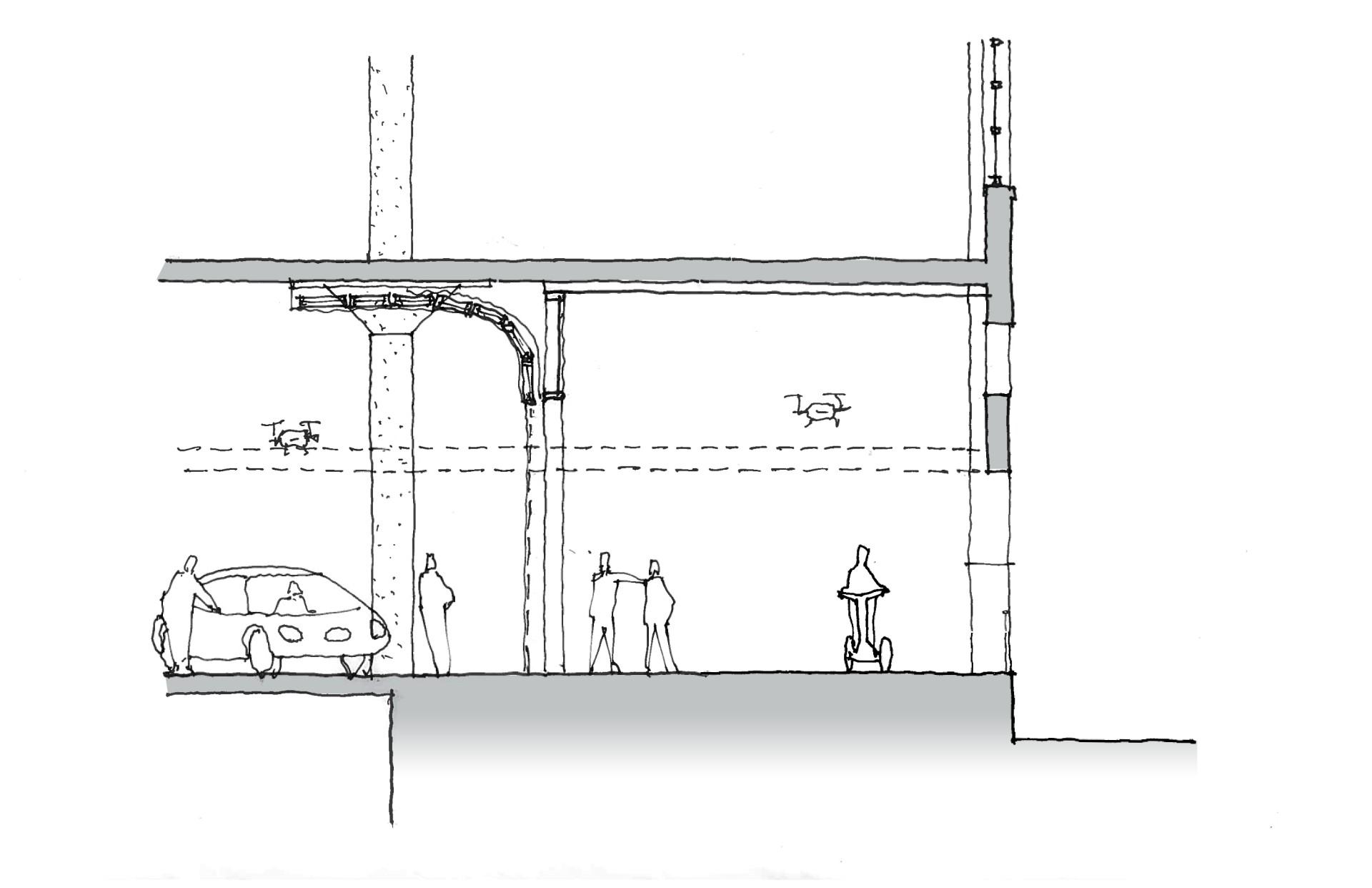
Blurred Boundary Paseo
Leveraging former loading docks, the paseo softens boundaries between building and district, encouraging visibility, activity, and connection.
Impact
Once vacant, the Book Depository now gives one of Detroit’s architectural landmarks an active new role within Michigan Central’s growing technology ecosystem.
Its transformation brings startups, engineers, and entrepreneurs under one roof while extending the life and legacy of a nearly century-old building.
![[NEEDS INPUT: alt text]](https://cdn.sanity.io/images/iexz7ctt/production/dae6ffde474e4a020c2c1fca4e4225c2b73817a8-5272x3948.tif)
What Changed Because of This
01
Innovation Hub
Flexible workplaces, prototyping labs, and shared resources give emerging companies a place to develop and test new technologies in Detroit.
02
Activated Community Connection
A transparent, active ground floor creates a more welcoming edge and strengthens the building’s relationship to Michigan Central and the surrounding neighborhood.
03
Preserved Legacy
Adaptive reuse preserves Albert Kahn’s industrial architecture while giving the once-vacant structure a new purpose nearly a century after its construction.
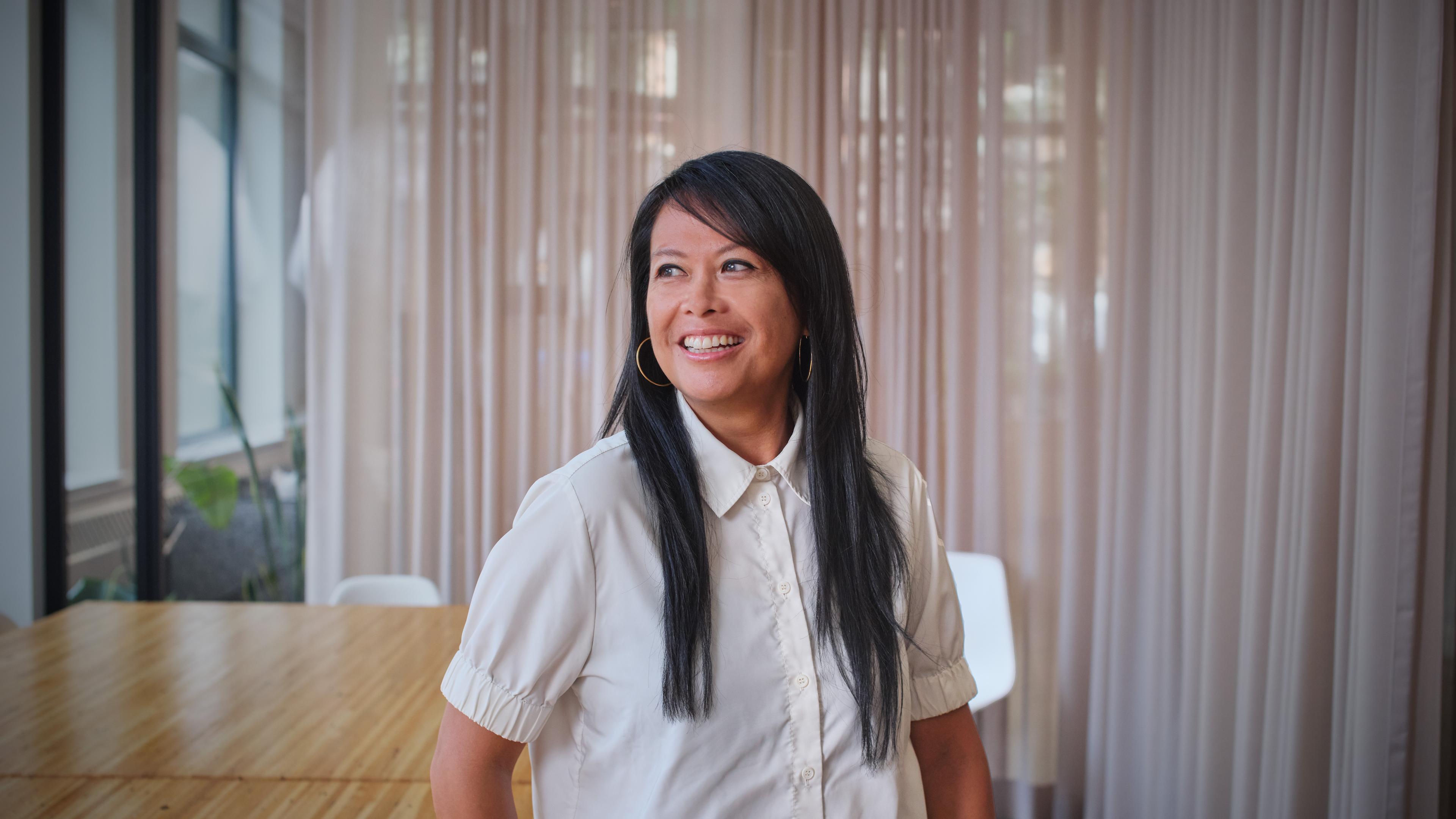
The Book Depository has always been a building with a strong identity. Our goal was to honor that character while creating the openness, flexibility, and connection it needed for a new generation. The result is a place that feels distinctly Detroit — rooted in its history, but DESIGNED FOR WHAT COMES NEXT.
Recognition
DEzeen
ARCHITECTURAL RECORD
DETROIT FREE-PRESS
Team
Project Leadership


FAQ
What was the Book Depository originally built for?
How does the design help organizations work together more effectively?
How was the building designed to support startups and emerging technology companies?
How does the project balance historic preservation with modern workplace needs?
How does the Book Depository connect to the surrounding district?
What role does the Book Depository play within Michigan Central?
Related Content