
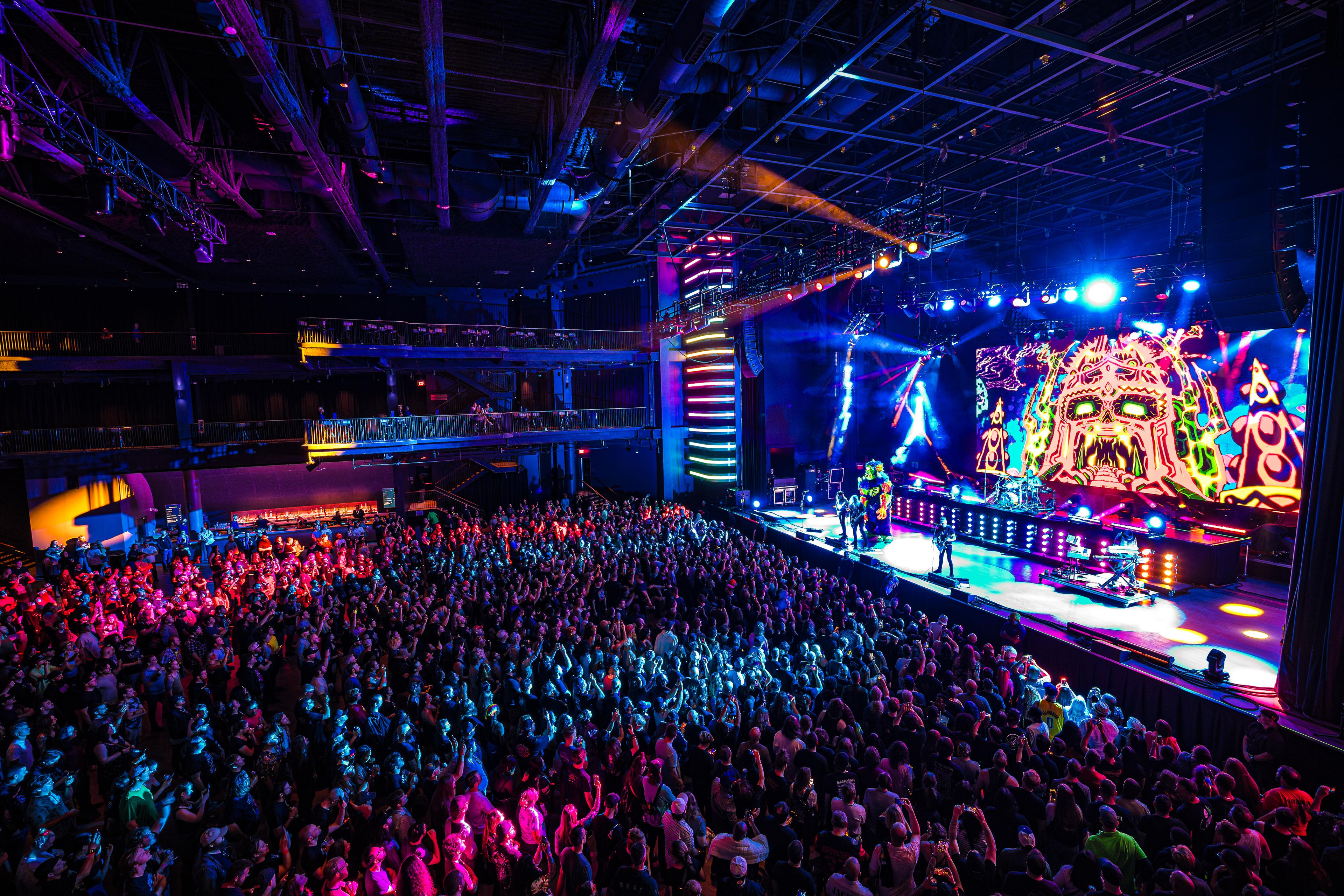
In 2025, Bad Bunny did something that should have been impossible. Instead of opening his world tour in Europe or North America, he stayed home. A 31-night residency at the Coliseo de Puerto Rico turned San Juan into a destination. The Debí Tirar Más Fotos World Tour then opened in Santo Domingo and rolled through San José, Costa Rica, Mexico City, Santiago, Lima, Medellín, Buenos Aires, and São Paulo — multi-night stadium stands everywhere, before heading to Sydney, Tokyo, and Europe. Latin America wasn’t a tour stop. It was the tour. Eso es una señal.
Latin America has been quietly assembling every ingredient of a global entertainment powerhouse — audiences, artists, capital, a touring circuit, and a regional tourism boom. Now the buildings are catching up to the culture. El momento ya empezó.
The Shift in One Paragraph
Latin America’s immersive entertainment market is on track to more than triple by 2030. Recorded music just notched its 16th straight year of outpacing global growth, with Brazil and Mexico landing in the global top 10 for the first time. Tourism is doing the same: Costa Rica hit a record $5 billion in tourism revenue, and the Dominican Republic now welcomes more visitors per capita than any country in the region. Pick a segment. The arrow points up.
What’s Fueling the Moment
So, what’s driving this moment? A few forces are converging at once.
- A young, mobile-first audience that doesn’t separate “online culture” from “real-life culture” and wants a physical home for the fandoms, gaming, fútbol, and music that already live on their phones.
- A creative export economy performing at home. Reggaeton, corridos tumbados, Brazilian funk, plena, perreo. Latin American artists are the global mainstream now, routing through their own region the way major U.S. and European acts route through theirs. Es un preview.
- Capital following the audience. Franchise operators, hospitality groups, live entertainment giants, and global sports — including Formula 1, whose fanbase skews younger than any other major sport (43% under 35) — are moving in.
And then there’s Lima.
A New Kind of Place Is Taking Shape
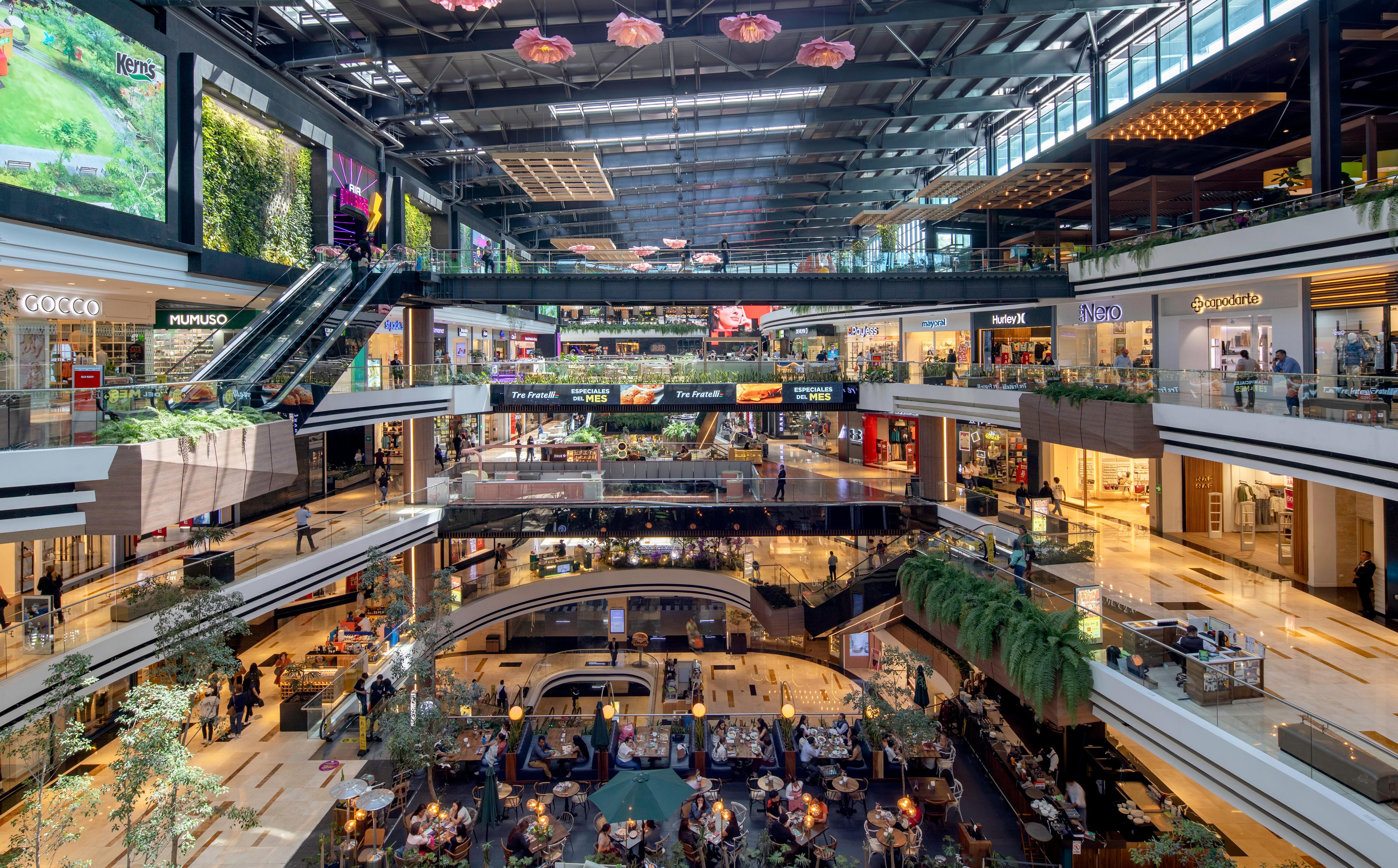
The most ambitious projects across Latin America aren’t single venues anymore. They’re entertainment districts: places where hospitality, retail, live performance, immersive experiences, and food coexist as a single, continuous experience.
That’s the model: not a building, but a neighborhood. Not an attraction to visit, but a layer of everyday city life. It works because Latin American cities already know how to host community in public space. From Medellín to Mexico City to São Paulo to Santo Domingo, the plaza is the original entertainment district. The next generation of projects can layer global production values onto that instinct.
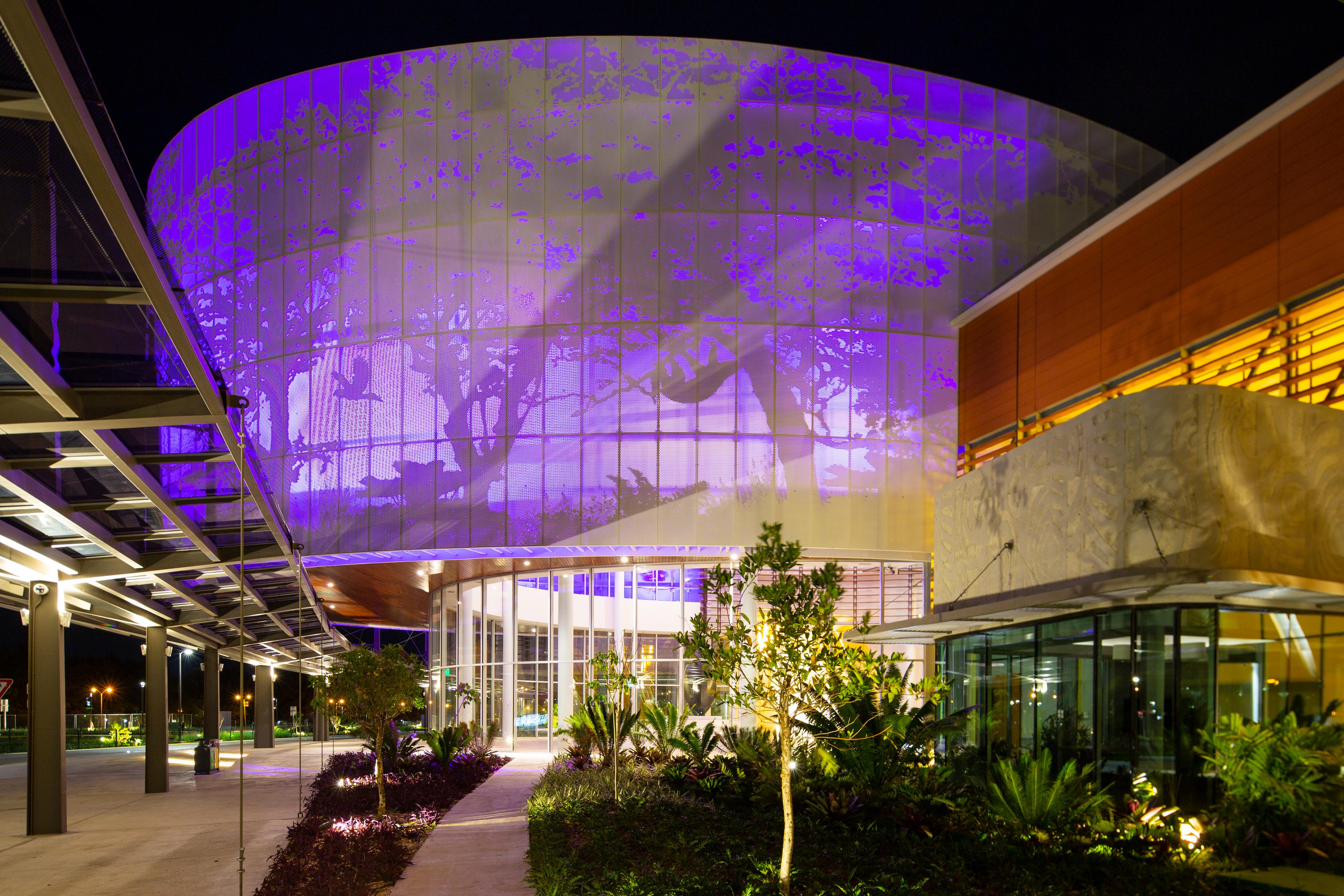
Theme parks, hospitality, and immersive experiences are moving in the same way: rooted in local stories and landscapes rather than imported formats. At Nekajui, a Ritz-Carlton Reserve, the architectural language is pulled from Costa Rica’s Guanacaste coast rather than from a moodboard.
Designing for What Comes Next
For developers, operators, and city leaders, the temptation will be to import a playbook. Resist it. The opportunity is bigger than that.
A few principles for the next chapter:
- Design for fandom, not just footfall (or fútbol). Durable destinations build emotional loyalty — communities that return, share, and shape the place. Bad Bunny didn’t just sell tickets; he created a pilgrimage.
- Blur the lines between sectors. Hospitality, retail, live music, sports, and immersive experiences no longer live in separate boxes in the consumer’s mind. The strongest projects integrate them by design, not by adjacency.
- Anchor every project in a story rooted in place. Exported formats will underperform. Projects drawing on local culture, climate, craft, and sabor will outperform them.
- Plan for evolution. Latin American audiences move fast. Today’s buildings should be programmable, reconfigurable, and ready to grow with their communities.
Y para cerrar (to conclude)
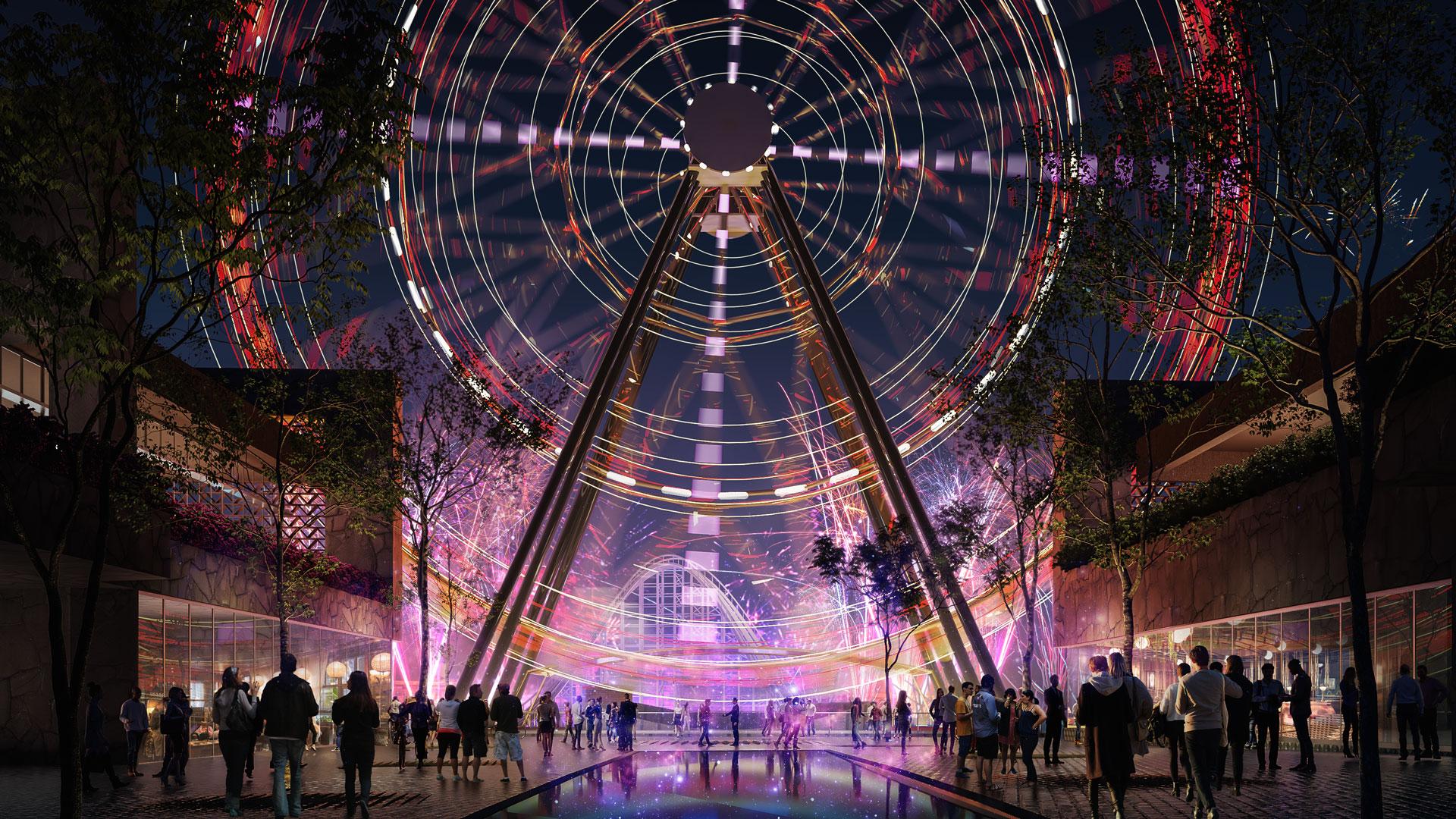
Latin America has always known how to throw a party. What’s new is the scale, the capital, and the ambition arriving alongside the instinct — and the chance to design venues and districts that match that energy and shape how the world experiences entertainment for the decade ahead.
The next chapter of the global experience economy is being written in Latin America. The buildings going up over the next few years will decide how big it gets. Nos vemos en el próximo show.
About the Authors

Beatriz De Paz
Related Research
Global Workplace Survey 2025
Gensler’s workplace survey reveals the importance of in-person work and insights on how workplaces can be better designed to support work for individuals and teams.
Want more of Gensler’s design thinking?
Sign up for our Dialogue Now newsletter to get regular updates sent directly to your inbox. Or follow us on social media.